- TRAVEL PACKAGES
- BESPOKE JOURNEYS
- TOP TOURS
- Daily Tours
- PRACTICAL TRAVEL INFO
- DISCOVER VIETNAM
- PARTNER WITH US
19-06-2025
Beyond the majestic landscapes and the enticing aroma of world-class coffee, Vietnam’s Central Highlands (Tây Nguyên) harbor a treasure trove of Central Highlands Traditional Festivals. These vibrant celebrations are the very soul of the region, embodying the profound spiritual values of indigenous groups like the Ede, Jarai, and Bahnar. From the echoes of the sacred Gongs—recognized by UNESCO as a Masterpiece of Humanity—to the adrenaline-pumping Elephant Race in Buôn Đôn, these rituals offer a gateway into a world where humans, nature, and deities coexist in harmony. To truly understand the indomitable spirit of the highlands, one must immerse themselves in the “can” wine rhythms and the mystical smoke of the communal bonfire during these Central Highlands Traditional Festivals.
The Central Highlands (Tây Nguyên) is a vast plateau region located in Central Vietnam, bordering Laos and Cambodia to the west. This area comprises 5 provinces: Kon Tum, Gia Lai, Đắk Lắk, Đắk Nông, and Lâm Đồng. With its undulating hills, cool climate, and fertile basaltic red soil, the Central Highlands is not only Vietnam’s largest coffee-growing region but also a melting pot of diverse cultures.
It’s home to numerous indigenous ethnic minority groups, with the most prominent and culturally influential ones being:
Many other ethnic groups, such as the Xê Đăng, Rơ Măm, and Chơ Ro, also coexist peacefully, creating an incredibly unique multicultural mosaic.

The culture of the Central Highlands possesses a distinct character, differing significantly from that of the lowlands. It’s largely a slash-and-burn cultivation culture, deeply connected to the mountains, forests, elephants, gongs, and a polytheistic belief system (worshipping nature deities like the God of Water, God of Rice, God of Forest, etc.).
For the people of the Central Highlands, festivals are more than just celebrations; they are occasions for them to:
These festivals are often tied to the life cycle of rice, the human life cycle (birth, death, coming of age, marriage), and important village events. Can wine (rượu cần), gong performances, and traditional dances are always integral parts of every festival.

Now that you have a clearer understanding of the Central Highlands and its unique cultural characteristics, let’s explore some of the most prominent festivals in this region!
When we talk about the Central Highlands, the first thing that comes to mind for many is the Central Highlands Gong Culture Festival. This is not just any festival; it’s a Masterpiece of the Oral and Intangible Heritage of Humanity, recognized by UNESCO in 2005. The gongs’ sound isn’t merely music; it’s the heartfelt voice of the Central Highlands people harmonizing with the sky and earth, expressing their aspirations for prosperity and peace.
If you want to witness the special connection between humans and animals, the Buôn Đôn Elephant Racing Festival is an experience not to be missed. Held in Buôn Đôn (Đắk Lắk) – Vietnam’s “elephant capital” – this festival celebrates the elephant-taming skills of the M’Nông people and showcases a spirit of chivalry.

After a successful harvest season, the people of the Central Highlands joyfully organize the New Rice Ceremony (also known as Lễ mừng lúa mới). This is an occasion to express profound gratitude to the sky, earth, and deities for bestowing golden rice grains and ensuring a prosperous life.
In the culture of the Jarai and Bahnar people in Kon Tum, the Ceremony of Gratitude to Parents (Chal mơ nê kơ mi ma / Khop bơ nê kơ me pa) is a deeply meaningful cultural practice. This festival demonstrates the profound respect and gratitude of children towards their parents’ nurturing efforts.
The Tomb Abandoning Ceremony (also called Pôt Bơ Thi) is one of the most unique and significant funeral rituals of certain ethnic minority groups like the Jarai and Bahnar. It’s not just a ceremony to send the deceased to the afterlife; it’s also a time for the living to break ties with mourning and return to normal life.

Besides these prominent festivals, the Central Highlands is also home to countless other celebrations depending on the specific ethnic group and locality, such as the Water Wharf Ceremony (Lễ cúng bến nước) of the Ede people (praying for abundant water sources), or festivals related to coffee, like the Buôn Ma Thuột Coffee Festival.
These festivals are not merely occasions for community gathering and enjoyment but also ways for the ethnic groups of the Central Highlands to preserve and promote their unique traditional cultural values. Plan your visit to the Central Highlands and immerse yourself in its distinctive festive atmosphere!
The preservation of Central Highlands Traditional Festivals is a matter of international cultural significance. The UNESCO Intangible Cultural Heritage list officially recognizes the Space of Gong Culture as a vital heritage for humanity.
For travelers planning to witness these spectacles, the Vietnam National Administration of Tourism (VNAT) provides updated schedules for major events like the Buôn Ma Thuột Coffee Festival. Furthermore, the International Council on Monuments and Sites (ICOMOS) often highlights the unique vernacular architecture (Rong and Longhouses) integrated into these festive spaces. For a deep dive into the anthropology of these rituals, the Smithsonian Institution has featured extensive research on the musical traditions and social structures of the Tay Nguyen ethnic groups, ensuring their voices resonate globally.
#TayNguyenFestivals #VietnamCulture #UniqueFestivals #GongCultureFestival #ElephantRacingFestival #CentralHighlandsTourism #ExploreVietnam #VietnameseHeritage #CulturalGem #IndigenousCulture #TraditionalFestivals #CentralHighlandsVibe
Latest news
Health & Safety
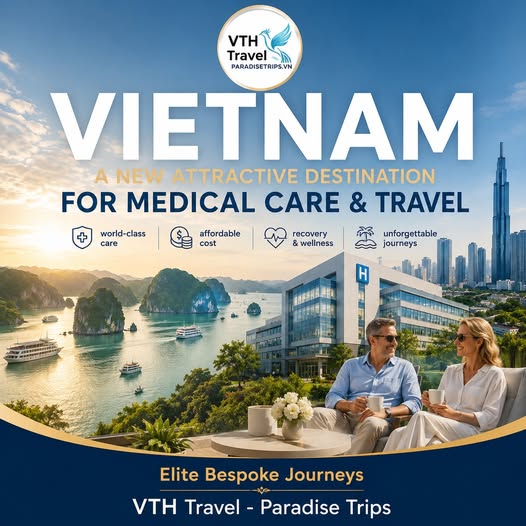
19/08/2026Medical Tourism in Vietnam: Asia’s Emerging Healthcare Hub
Medical Tourism in Vietnam: Asia’s Emerging Healthcare Hub Vietnam is rapidly evolving beyond its reputation as a breathtaking holiday destination. Driven by strategic investments in healthcare infrastructure, an influx of internationally trained specialists, modern medical technologies, and a renowned culture […]
PRACTICAL TRAVEL INFO
11/08/2026Truth About Room Tiers & Meals in Vietnam Tour Packages
Why Lead-in Package Rates Protect Your Budget & Flexible Meals Unlock Ultimate Freedom By Dr. Son & Team – Luxury Vietnam DMC SPECIAL OUTLINE ABOUT VIETNAM TOUR PACKAGE PRICING The Sample Itinerary Misunderstanding: Why a sample tour is a baseline reference, not a rigid cage. Pillar 1: Demystifying Hotel & Cruise Room Tiers: Real-world price […]
PRACTICAL TRAVEL INFO
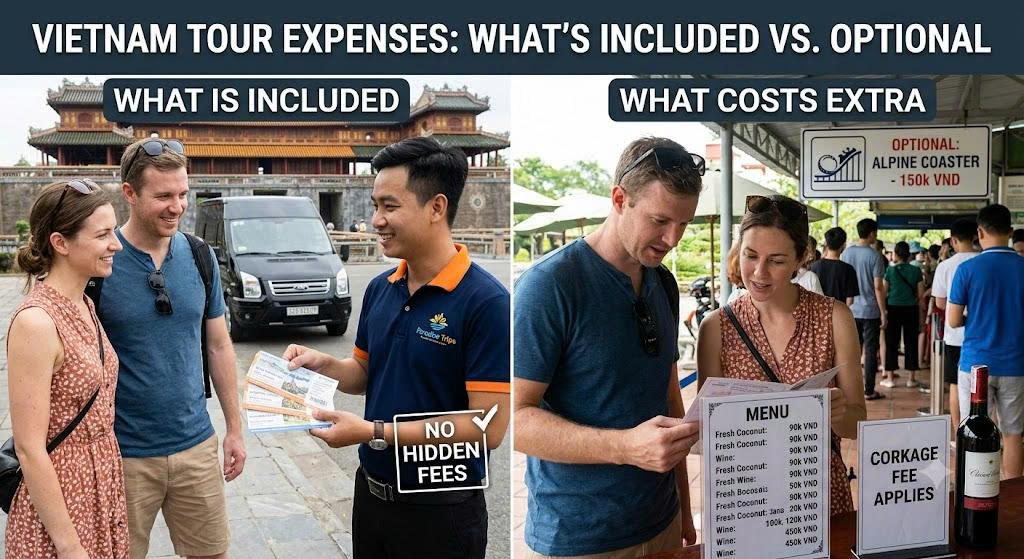
10/08/2026Vietnam Tour Hidden Fees: What Costs Extra and Why
The Truth Behind “No Hidden Fees”: Why You May Still See Paid Services Inside Attractions, Restaurants, Cruises, and Resorts in Vietnam One of the most common questions we receive from international travelers booking a private tour is: “If your package promises no […]