- TRAVEL PACKAGES
- BESPOKE JOURNEYS
- TOP TOURS
- Daily Tours
- PRACTICAL TRAVEL INFO
- DISCOVER VIETNAM
- PARTNER WITH US
12-07-2025
Diverse languages in Vietnam create a vibrant social tapestry that goes far beyond the standard Vietnamese tongue. This S-shaped nation is home to 54 ethnic groups, each possessing distinct linguistic traditions and unique cultural identities. Understanding these “kaleidoscope of voices” is essential for anyone looking to connect deeply with the heart of Vietnamese society.
This exploration unveils the fascinating world of ethnic minority dialects, foreign language imprints, and the subtle art of non-verbal communication.
Get an immediate grasp of our article’s core and structure through these key highlights:
Ethnic Minority Languages: Dive into the major language families (Tai-Kadai, Mon-Khmer, Hmong-Mien, etc.) and their speaker demographics.
Global Integration: Analyze the influence of English, French, Russian, and Chinese on the modern Vietnamese vocabulary.
The Power of Non-Verbal Cues: Explore “speaking without words” through body language, proxemics, and the art of silence.
The Vietnamese Psyche: Understand the hierarchy, forms of address, and the subtle “Ý Tứ” (delicacy) culture in daily interaction.
Intercultural Communication: Discuss challenges and ways to bridge understanding between local and international friends.
VIETNAM: A MELTING POT OF DIVERSE VOICES AND THE ART OF DEEP CONNECTION!

Vietnam officially recognizes 54 ethnic groups. While the Kinh majority accounts for 85.3% of the population, the remaining groups contribute a stunning array of diverse languages in Vietnam. According to the 2019 Population and Housing Census
Tai-Kadai Family: Includes the Tay (1.8 million), Nung (1.1 million), and Thai (1.8 million). These languages feature rich tonal systems and are vital for preserving northern folk traditions.
Mon-Khmer Family (Austroasiatic): Spoken by the Muong (1.4 million)—a sister language to Vietnamese—and the Khmer (1.3 million) in the Mekong Delta. Central Highlands groups like Gia Rai (513,000) and Ede (398,000) also belong to this family.
Hmong-Mien Family: Primarily the Hmong (1.4 million) and Dao (891,000), known for intricate tonal systems with up to 12 distinct tones.
Malayo-Polynesian Family: Represented by the ancient Cham (179,000) language, tied to the historic Champa civilization.
Sinitic Family: Consists of Chinese dialects spoken by the Hoa community (823,000).
Note: To discover more about the Civilization & Distinct Languages in Vietnam, please Click Here
International integration has left a lasting mark on the diverse languages in Vietnam:
English: The dominant global lingua franca used in business and education.
French: Leaves a legacy in architecture and “Vietnamized” words like bơ (butter) and ban công (balcony).
Russian & Chinese: Historical influences that have enriched the Vietnamese vocabulary over centuries.
Note: To unveil the secrets of the Artistic Culture of Vietnam, please Click Here
In Vietnamese culture, silence and gestures often carry profound weight:
Body Language: Nods, eye contact, and posture reveal mood and attitude.
Proxemics (Personal Space): Distance signifies levels of intimacy or respect for social status.
Silence: Can convey agreement, contemplation, or indirect displeasure.

Vietnamese communication emphasizes harmony and respect:
Hierarchy: Forms of address like anh, chị, ông, bà reflect social status. Honorifics (dạ, thưa) are mandatory when addressing elders.
Subtlety (Ý Tứ) & Indirectness: Choosing euphemisms to save face and avoid direct conflict.
Proverbs & Folk Songs: Using traditional wisdom to convey messages concisely and profoundly.
Note: To learn more the Culturla Essence in Vietnam, please Click Here
Understanding diverse languages in Vietnam and their cultural nuances is key to avoiding misunderstandings. While directness may be common in the West, respecting the indirect and subtle nature of Vietnamese communication helps build strong, effective relationships in an increasingly flat world.
#VietnameseCommunication #EthnicMinorityLanguages #VietnameseCulture #InterculturalCommunication #SoundsOfVietnam #NationalIdentity
Latest news
Health & Safety
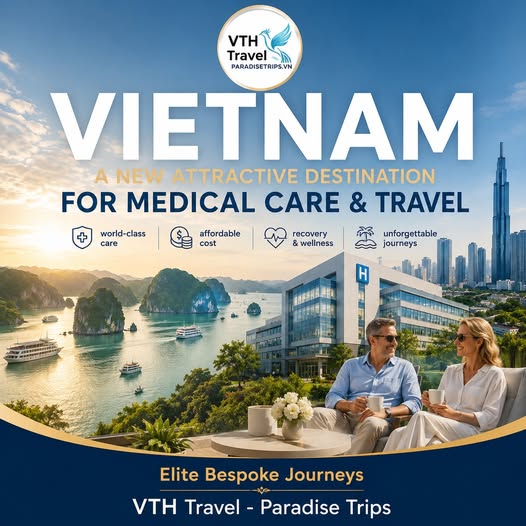
19/08/2026Medical Tourism in Vietnam: Asia’s Emerging Healthcare Hub
Medical Tourism in Vietnam: Asia’s Emerging Healthcare Hub Vietnam is rapidly evolving beyond its reputation as a breathtaking holiday destination. Driven by strategic investments in healthcare infrastructure, an influx of internationally trained specialists, modern medical technologies, and a renowned culture […]

PRACTICAL TRAVEL INFO
11/08/2026Truth About Room Tiers & Meals in Vietnam Tour Packages
Why Lead-in Package Rates Protect Your Budget & Flexible Meals Unlock Ultimate Freedom By Dr. Son & Team – Luxury Vietnam DMC SPECIAL OUTLINE ABOUT VIETNAM TOUR PACKAGE PRICING The Sample Itinerary Misunderstanding: Why a sample tour is a baseline reference, not a rigid cage. Pillar 1: Demystifying Hotel & Cruise Room Tiers: Real-world price […]
PRACTICAL TRAVEL INFO
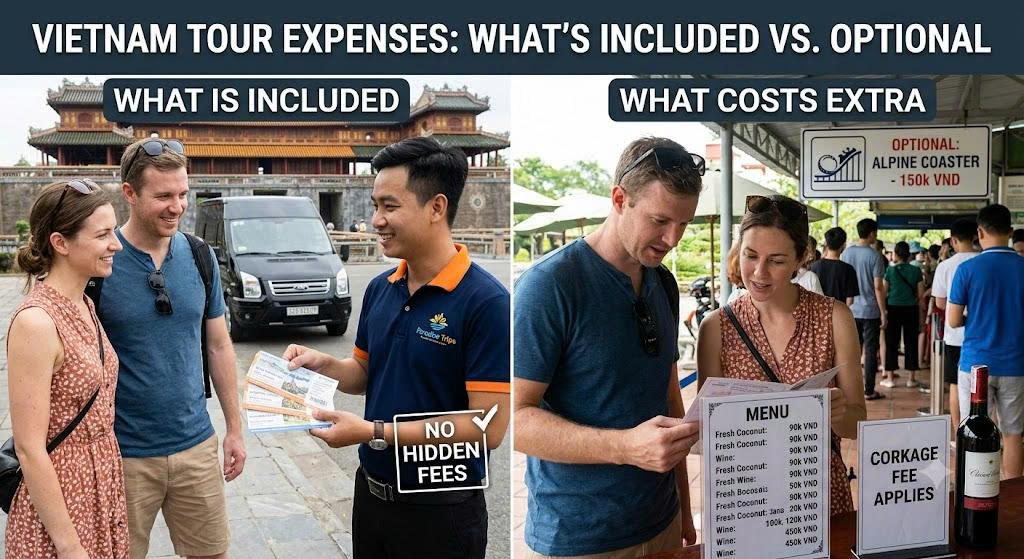
10/08/2026Vietnam Tour Hidden Fees: What Costs Extra and Why
The Truth Behind “No Hidden Fees”: Why You May Still See Paid Services Inside Attractions, Restaurants, Cruises, and Resorts in Vietnam One of the most common questions we receive from international travelers booking a private tour is: “If your package promises no […]