- TRAVEL PACKAGES
- BESPOKE JOURNEYS
- TOP TOURS
- Daily Tours
- PRACTICAL TRAVEL INFO
- DISCOVER VIETNAM
- PARTNER WITH US
17-06-2025
The lotus flower (hoa sen) holds a unique and revered place in the heart of the S-shaped land. It’s not just a beautiful bloom; it’s a powerful symbol of resilience and spiritual awakening, proudly recognized as the National Flower of Vietnam. Rising gracefully from muddy waters to remain spotless and vibrant, the lotus perfectly reflects the enduring spirit and elegance of the Vietnamese people. Designated as the National Flower of Vietnam in 2011, this serene blossom is deeply tied to Buddhist principles of enlightenment and rebirth. From its healing seeds used in traditional medicine to the exquisite art of lotus tea, the National Flower of Vietnam continues to be a timeless emblem of purity and national beauty.

What makes the lotus so special is its ability to grow in muddy ponds yet emerge spotless and vibrant. This natural phenomenon is why the lotus is widely seen as a symbol of purity, enlightenment, and detachment from worldly attachments. Despite its humble origins, its petals remain pristine, representing inner beauty and spiritual growth, unblemished by its surroundings.
In Vietnamese culture, the lotus embodies grace, simplicity, and noble character. Its gentle fragrance is often associated with purity and a calming presence. You’ll find its image everywhere, from traditional art and architecture to modern designs, always conveying a sense of serene beauty.
The connection between the lotus and Buddhism in Vietnam is profound. The lotus is one of the most sacred flowers in Buddhist teachings, often depicted as the seat of Buddha and other enlightened beings. Its symbolism aligns perfectly with Buddhist principles:
In Vietnamese pagodas and temples, lotus motifs are common in statues, altars, and decorations, reminding devotees of their spiritual journey and the potential for inner transformation. Many Buddhist ceremonies involve offerings of lotus flowers.

In 2011, the lotus was officially recognized as the National Flower of Vietnam, a choice that resonates deeply with the Vietnamese identity. It was chosen for several compelling reasons:

You can see fields of lotus blooming beautifully across Vietnam, especially in summer, painting rural landscapes with shades of pink and white. The lotus is not just admired for its beauty; its seeds are used in traditional cuisine and medicine, and its leaves and roots also have practical uses, making it a truly versatile and cherished plant.
The lotus flower, with its graceful rise from the mud, continues to be a timeless emblem in Vietnam—a powerful reminder of purity, spiritual journey, and the enduring beauty and resilience of the Vietnamese spirit.

Note: To navigate Currency & Payments in Vietnam, please click here!
In traditional Asian medicine, especially Vietnamese and Chinese practices, lotus seeds and embryos are highly valued for their therapeutic properties:
Lotus Seeds (Hạt Sen): These small, creamy-white kernels are rich in protein, magnesium, potassium, and phosphorus. They are widely used to:
Lotus Embryo (Tâm Sen): This tiny, bitter green germ found within the lotus seed is even more potent in its medicinal uses:

The lotus flower’s influence extends deeply into the culinary world and the art of tea ceremony, particularly in Vietnam:
The lotus flower, with its profound symbolism and multifaceted uses in healing and gastronomy, truly embodies the rich cultural and natural heritage of Vietnam.

The sacred connection between the National Flower of Vietnam and Buddhist architecture is visible in iconic sites like the One Pillar Pagoda. You can explore the architectural influence of the lotus in Vietnamese heritage through the UNESCO World Heritage Centre.
Furthermore, the unique craftsmanship of “Trà Sen” (Lotus Tea) is recognized as a pinnacle of Vietnamese tea culture. The Tea Association of Vietnam (VITAS) provides deep insights into the meticulous scenting process that makes this beverage a specialty of hospitality. For those interested in the botanical and healing properties of the National Flower of Vietnam, the World Health Organization (WHO) often references traditional herbal ingredients, like lotus embryos, in their research on global ethnomedicine and natural sedatives.
#LotusFlower #HoaSen #VietnamSymbol #NationalFlower #BuddhismInVietnam #VietnameseCulture #PuritySymbol #SpiritualAwakening #TravelVietnam #BeautifulVietnam
Note: Get to know about Vunlunteering, Charity And Religious activities in Vietnam, please click here!
Latest news
Health & Safety
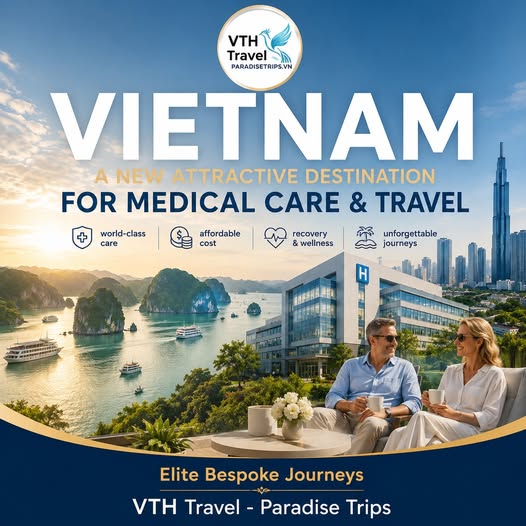
19/08/2026Medical Tourism in Vietnam: Asia’s Emerging Healthcare Hub
Medical Tourism in Vietnam: Asia’s Emerging Healthcare Hub Vietnam is rapidly evolving beyond its reputation as a breathtaking holiday destination. Driven by strategic investments in healthcare infrastructure, an influx of internationally trained specialists, modern medical technologies, and a renowned culture […]

PRACTICAL TRAVEL INFO
11/08/2026Truth About Room Tiers & Meals in Vietnam Tour Packages
Why Lead-in Package Rates Protect Your Budget & Flexible Meals Unlock Ultimate Freedom By Dr. Son & Team – Luxury Vietnam DMC SPECIAL OUTLINE ABOUT VIETNAM TOUR PACKAGE PRICING The Sample Itinerary Misunderstanding: Why a sample tour is a baseline reference, not a rigid cage. Pillar 1: Demystifying Hotel & Cruise Room Tiers: Real-world price […]
PRACTICAL TRAVEL INFO
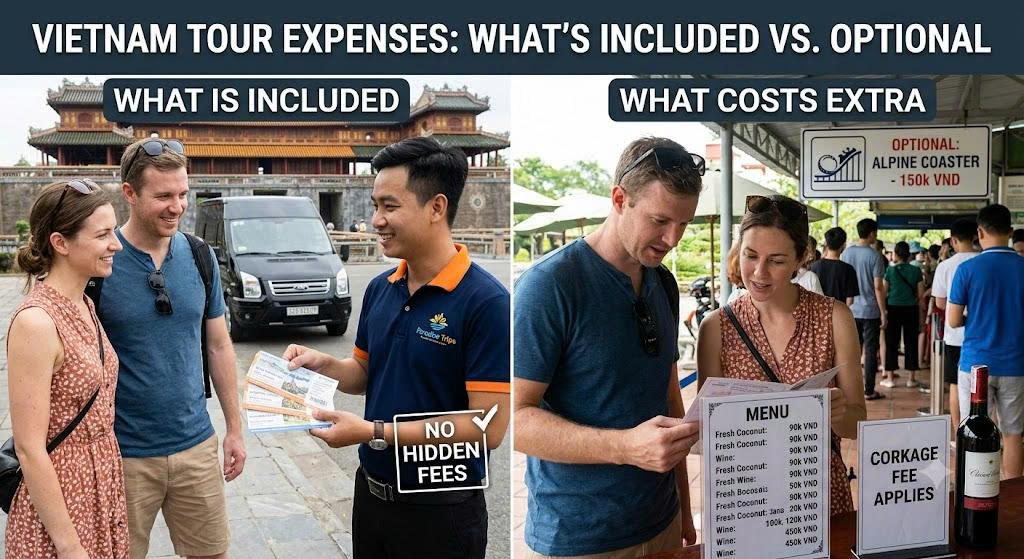
10/08/2026Vietnam Tour Hidden Fees: What Costs Extra and Why
The Truth Behind “No Hidden Fees”: Why You May Still See Paid Services Inside Attractions, Restaurants, Cruises, and Resorts in Vietnam One of the most common questions we receive from international travelers booking a private tour is: “If your package promises no […]