- TRAVEL PACKAGES
- BESPOKE JOURNEYS
- TOP TOURS
- Daily Tours
- PRACTICAL TRAVEL INFO
- DISCOVER VIETNAM
- PARTNER WITH US
15-07-2025
The Vietnam Administrative Reform 2025 is the ultimate way to understand the nation’s strategic vision and unwavering determination in its ongoing restructuring. The phrase “Reorganizing the Landscape” (Sắp Xếp Lại Giang Sơn) profoundly encapsulates a groundbreaking step aimed at optimizing the state apparatus and enhancing management efficiency. This Vietnam Administrative Reform 2025 involves a massive merger of provincial-level units, shifting from 63 down to 34 administrative entities to ignite new momentum for sustainable growth. By streamlining governance and concentrating resources, Vietnam is creating larger economic regions with higher competitive advantages on the international stage. Let’s unveil the deep insights behind this transformation and what it means for the future of the nation.
The decision to restructure provincial-level administrative units wasn’t arbitrary but based on in-depth analysis and clear objectives:

On June 12, 2025, the National Assembly of Vietnam passed an important Resolution on the reorganization of provincial-level administrative units. Accordingly, from this date, the number of provincial-level administrative units in Vietnam was officially reduced. The local governments of these newly formed administrative units officially commenced operations on July 1, 2025.
Before the mergers, Vietnam had 63 provincial-level administrative units, comprising 58 provinces and 5 centrally-governed cities. Below is the full list of these 63 administrative units:
5 Centrally-governed Cities: Hanoi, Ho Chi Minh City, Hai Phong, Da Nang, Can Tho.
58 Provinces: An Giang, Ba Ria – Vung Tau, Bac Lieu, Bac Kan, Bac Giang, Bac Ninh, Ben Tre, Binh Duong, Binh Dinh, Binh Phuoc, Binh Thuan, Ca Mau, Cao Bang, Dak Lak, Dak Nong, Dien Bien, Dong Nai, Dong Thap, Gia Lai, Ha Giang, Ha Nam, Ha Tinh, Hai Duong, Hau Giang, Hoa Binh, Hung Yen, Khanh Hoa, Kien Giang, Kon Tum, Lai Chau, Lam Dong, Lang Son, Lao Cai, Long An, Nam Dinh, Nghe An, Ninh Binh, Ninh Thuan, Phu Tho, Phu Yen, Quang Binh, Quang Nam, Quang Ngai, Quang Ninh, Quang Tri, Soc Trang, Son La, Tay Ninh, Thai Binh, Thai Nguyen, Thanh Hoa, Thua Thien Hue, Tien Giang, Tra Vinh, Tuyen Quang, Vinh Long, Vinh Phuc, Yen Bai.
Resolution No. 202/2025/QH15 by the National Assembly on the rearrangement of provincial-level administrative units.
This Resolution was voted on and approved by the National Assembly on June 12, 2025, at its 9th session. Consequently, the total number of provincial-level administrative units nationwide was reduced from 63 to 34. The new local governments established under this Resolution officially commenced operations on July 1, 2025.
Currently, Vietnam has 34 provincial-level administrative units, consisting of 28 provinces and 6 centrally-governed cities (as Ho Chi Minh City and Hai Phong have integrated additional administrative areas from neighboring provinces, increasing the total number of centrally-governed cities to 6).
Below is the list of the new provincial-level administrative units formed after the merger process, as officially announced:
This change is not merely a numerical adjustment; it marks a pivotal moment in Vietnam’s administrative development history. It reflects a strong determination to build a Vietnam that is:
This reorganization promises to bring positive changes, contributing to the construction of a Vietnamese “Renewed Landscape” that is increasingly prosperous, robust, and positioned for greater regional and global prominence.
With significant changes to provincial-level administrative boundaries and the potential for mergers of smaller administrative units (like districts and communes into larger wards and communes) in some areas, international and domestic travelers need to exercise extreme caution when planning their exploration of Vietnam.
Currently, information on many online platforms, specifically tourism websites, media channels, and popular map versions, may not have been fully updated to reflect this new administrative structure. This could lead to confusion or difficulties in accurately identifying locations or planning itineraries.
For example: Previously, if you wanted to visit Ba Ria – Vung Tau or Binh Duong, they were distinct provinces. But under the new structure, these areas have now been merged into Ho Chi Minh City, creating a Ho Chi Minh City with a significantly larger area and geographical scope. Similarly, some popular tourist attractions that once belonged to Province A might now fall under a newly merged Province B.
Advice for travelers:
Understanding these changes will help make your trip smoother, avoid unnecessary confusion, and ensure you can fully explore the beauty of Vietnam’s “Renewed Landscape.”
The strategic depth of the Vietnam Administrative Reform 2025 is globally recognized and monitored by international governance and economic observers. The official resolutions regarding these mergers are documented by the National Assembly of Vietnam and analyzed for their economic impact by the World Bank. Furthermore, updated geographical and administrative profiles reflecting these historic changes are being integrated into global records on Wikipedia. These sources serve as a global testament to Vietnam’s commitment to building a more efficient, modern, and sustainably developed state apparatus.
#Vietnam #AdministrativeMergers #AdministrativeReform #GovernmentofVietnam #AdministrativeRestructuring #SustainableDevelopment #VietnamTourism #AdministrativeUpdate #Vietnam2025 #RenewedLandscape #TravelAdvisory #NewMaps #TouristInfo
Latest news

Health & Safety
19/08/2026Medical Tourism in Vietnam: Asia’s Emerging Healthcare Hub
Medical Tourism in Vietnam: Asia’s Emerging Healthcare Hub Vietnam is rapidly evolving beyond its reputation as a breathtaking holiday destination. Driven by strategic investments in healthcare infrastructure, an influx of internationally trained specialists, modern medical technologies, and a renowned culture […]

PRACTICAL TRAVEL INFO
11/08/2026Truth About Room Tiers & Meals in Vietnam Tour Packages
Why Lead-in Package Rates Protect Your Budget & Flexible Meals Unlock Ultimate Freedom By Dr. Son & Team – Luxury Vietnam DMC SPECIAL OUTLINE ABOUT VIETNAM TOUR PACKAGE PRICING The Sample Itinerary Misunderstanding: Why a sample tour is a baseline reference, not a rigid cage. Pillar 1: Demystifying Hotel & Cruise Room Tiers: Real-world price […]
PRACTICAL TRAVEL INFO
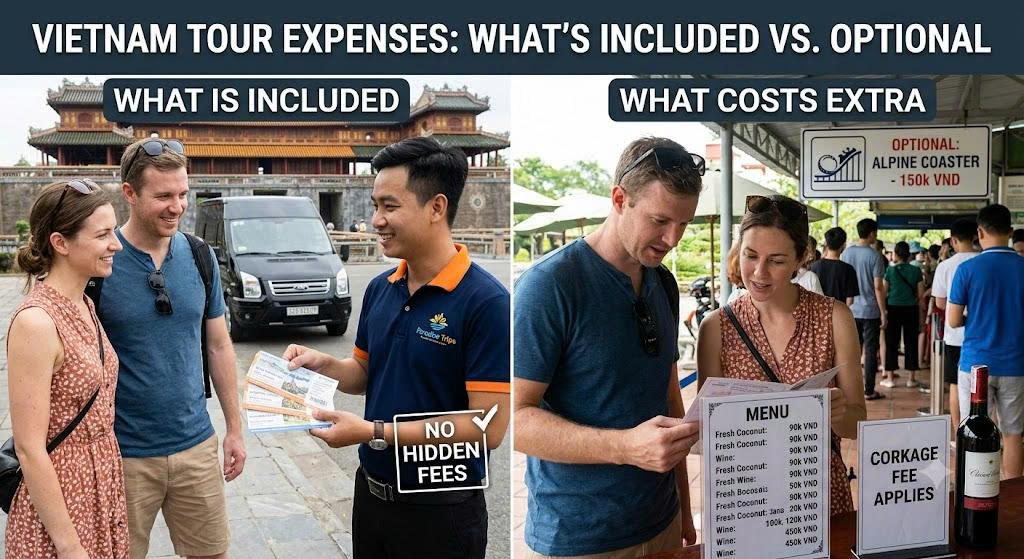
10/08/2026Vietnam Tour Hidden Fees: What Costs Extra and Why
The Truth Behind “No Hidden Fees”: Why You May Still See Paid Services Inside Attractions, Restaurants, Cruises, and Resorts in Vietnam One of the most common questions we receive from international travelers booking a private tour is: “If your package promises no […]