- TRAVEL PACKAGES
- BESPOKE JOURNEYS
- TOP TOURS
- Daily Tours
- PRACTICAL TRAVEL INFO
- DISCOVER VIETNAM
- PARTNER WITH US
15-07-2025
Vietnam’s rich cultural tapestry is profoundly influenced by the Vietnam Ethnic Group Distribution across its diverse landscapes. From the mist-shrouded peaks of the Northern Mountains to the sun-drenched Mekong Delta, each of the 54 communities has historically settled in specific regions, contributing to a unique human mosaic. As of July 1, 2025, the country has significantly reorganized its administrative units, reducing the total number of provinces to 34. Despite these changes, the Vietnam Ethnic Group Distribution remains a vital pillar of national solidarity. Understanding the geographical concentration of the Kinh majority and various minority groups offers a profound insight into the enduring spirit and shared development of a strong, peaceful Vietnam.
SPECIAL OUTLINE
Now, Let’s discover the long details:
1. General Introduction
Vietnam’s rich cultural tapestry is profoundly influenced by the geographical distribution of its ethnic groups. As of July 1, 2025, Vietnam has officially proceeded with the rearrangement and merger of its provinces and centrally-run cities, reducing the total number of administrative units at the provincial level from 63 to 34. This significant administrative change impacts how geographical data is organized.
Each community, shaped by its environment, has historically settled in specific regions, contributing to the country’s diverse human landscape. Understanding where these groups primarily reside offers valuable insight into their unique identities and the broader cultural mosaic of Vietnam.

A. Kinh (Vietnamese)
B. Northern Mountains (Northwest & Northeast)
C. North Central Midlands and North Central Coast
D. Central Highlands
E. Mekong Delta
F. Southeast Region
Important Considerations:
The scientific study of Vietnam Ethnic Group Distribution is essential for preserving the nation’s intangible heritage. The Vietnam Museum of Ethnology remains the premier institution for exploring the artifacts and lifestyles of all 54 groups.
Furthermore, the unique cultural spaces of several ethnic minorities are recognized by UNESCO, including the Cultural Space of the Gong in the Central Highlands. For international researchers interested in the 2025 administrative shifts and demographic trends, the General Statistics Office of Vietnam (GSO) provides the most authoritative and updated data. Additionally, the World Bank often analyzes the relationship between ethnic distribution and regional economic development to support sustainable growth in Vietnam’s diverse highland and lowland communities.
#Vietnam #EthnicGroups #GeographicalDistribution #CulturalMap #VietnameseProvinces #EthnicMinorities #KinhPeople #NorthernMountains #CentralHighlands #MekongDelta #SoutheastAsia #AdministrativeReform
PLEASE NOTE:
While Vietnam has been reorganizing and merging provinces and cities since July 1, 2025, we currently do not have precise scientific data from the Vietnamese government on the distribution of ethnic groups within the new administrative regions, so we will update this information in due course.
Latest news
Health & Safety
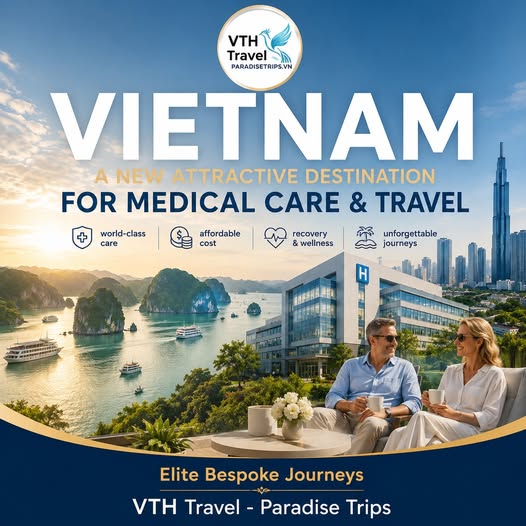
19/08/2026Medical Tourism in Vietnam: Asia’s Emerging Healthcare Hub
Medical Tourism in Vietnam: Asia’s Emerging Healthcare Hub Vietnam is rapidly evolving beyond its reputation as a breathtaking holiday destination. Driven by strategic investments in healthcare infrastructure, an influx of internationally trained specialists, modern medical technologies, and a renowned culture […]

PRACTICAL TRAVEL INFO
11/08/2026Truth About Room Tiers & Meals in Vietnam Tour Packages
Why Lead-in Package Rates Protect Your Budget & Flexible Meals Unlock Ultimate Freedom By Dr. Son & Team – Luxury Vietnam DMC SPECIAL OUTLINE ABOUT VIETNAM TOUR PACKAGE PRICING The Sample Itinerary Misunderstanding: Why a sample tour is a baseline reference, not a rigid cage. Pillar 1: Demystifying Hotel & Cruise Room Tiers: Real-world price […]
PRACTICAL TRAVEL INFO
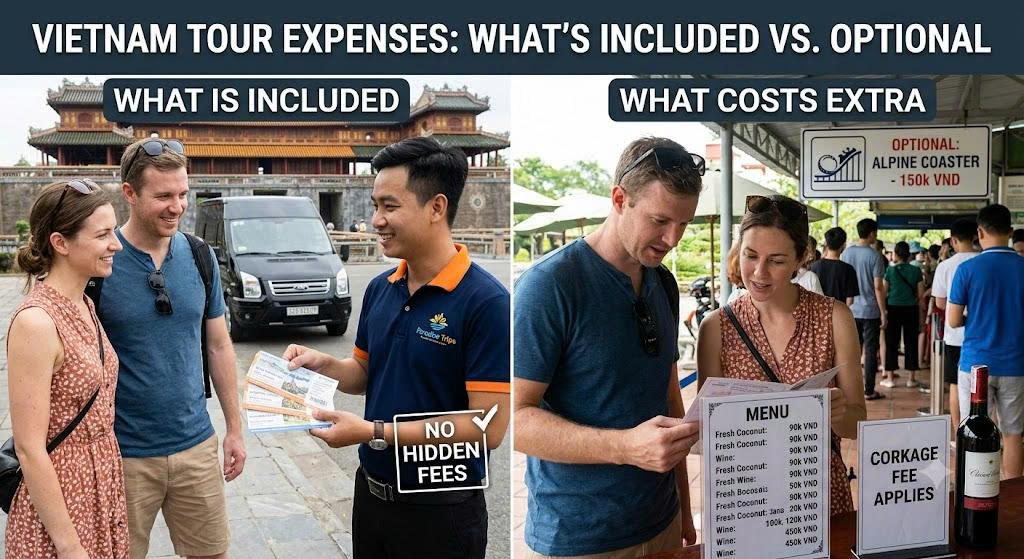
10/08/2026Vietnam Tour Hidden Fees: What Costs Extra and Why
The Truth Behind “No Hidden Fees”: Why You May Still See Paid Services Inside Attractions, Restaurants, Cruises, and Resorts in Vietnam One of the most common questions we receive from international travelers booking a private tour is: “If your package promises no […]