- TRAVEL PACKAGES
- BESPOKE JOURNEYS
- TOP TOURS
- Daily Tours
- PRACTICAL TRAVEL INFO
- DISCOVER VIETNAM
- PARTNER WITH US
19-06-2025
The Vietnam Traditional Altar Types represent the ultimate way to understand the heart of the nation’s spiritual life and its profound cultural values. Whether you are wandering through bustling city streets or visiting a quiet rural home, you will encounter these sacred sanctuaries that connect the living with the divine and the departed. This Vietnam Traditional Altar Types (Lần 2) overview delves into the diverse forms of worship, from the modest Prosperity Altar in local shops to the grand Ancestral Altar that serves as the heart of every family. Understanding these spiritual sanctuaries offers a fascinating insight into how the Vietnamese people balance their aspirations for abundance with a deep reverence for their roots. Let’s explore these sacred spaces and their profound meanings in daily Vietnamese life.
The Prosperity Altar, also known as Bàn thờ Thần Tài – Thổ Địa, is a symbol of abundance and good fortune. You’ll easily spot these altars, ranging in size, strategically placed in locations believed to be auspicious for business success. They are incredibly common in shops, restaurants, hotels, and other commercial establishments.
These altars are often beautifully decorated, typically featuring 1, 3, or 5 porcelain statues of deities considered guardians and givers of fortune and wealth, believed to pave the way for business prosperity.

💰✨ #ProsperityAltar #BànThờThầnTài #VietnameseCulture #BusinessLuck #SpiritualVietnam
The Ancestral Altar, or Bàn thờ Gia Tiên / Bàn thờ Tổ Tiên, is the heart of most Vietnamese homes (especially among the Kinh ethnic group). It serves as a vital spiritual link between deceased family members and their living descendants. This is a sacred space for remembering and worshipping ancestors – generally, past generations of the family.
Many families adorn this altar with portraits of grandparents and ancestors, and sometimes even with portraits of national heroes like Tran Hung Dao, Ho Chi Minh, Vo Nguyen Giap, or revered Buddhist figures like Quan The Am Bodhisattva (Avalokiteśvara) and the Buddha.

👨👩👧👦🕊️ #AncestralAltar #BànThờGiaTiên #VietnameseTradition #FamilyWorship #SpiritualConnection
Holy Altars, also referred to as Bàn thờ Thánh Thần / Bàn thờ Tín ngưỡng, are found in communal houses (đình), temples (đền), and shrines (miếu, mạo) – places of traditional folk beliefs – as well as in religious institutions like pagodas (Chùa), churches (Nhà thờ), mosques, synagogues, and Hindu temples.
These altars typically feature statues or memorial tablets of highly respected figures who contributed to the nation, or revered deities, Bodhisattvas, Buddhas, Jesus Christ, or Allah, depending on the community or religious followers.
For instance, in Vietnam, temples dedicated to legendary figures like Thanh Giong and the Mother Goddess of the Forest (Mẫu Thượng Ngàn), as well as national heroes like the Trung Sisters, King Quang Trung, and even Ho Chi Minh, all display their statues. Similarly, religious sites worldwide showcase figures like the Buddha, Quan The Am Bodhisattva, Jesus Christ, and Allah.

🌟🏛️ #HolyAltar #BànThờThánhThần #VietnameseTemples #CulturalHeritage #SpiritualSites
Understanding these different types of altars offers a fascinating insight into Vietnam’s rich spiritual landscape and the deep respect for prosperity, ancestry, and the sacred.
Have you noticed these altars during your travels? Share your observations in the comments below! 👇
The cultural and artistic significance of the Vietnam Traditional Altar Types is globally recognized and extensively documented by leading heritage organizations. The intricate rituals and symbolism associated with these sacred spaces are analyzed in cultural reports by UNESCO and featured in historical archives by Britannica. Furthermore, detailed descriptions of various worship practices, including ancestor veneration and Mother Goddess worship, are available on Wikipedia. These sources serve as a global testament to the enduring traditions and spiritual depth that define the unique identity of the Vietnamese people.
#VietnameseCulture #SpiritualVietnam #AltarTypes #CulturalInsights #TravelVietnam #LocalCustoms #BeliefsAndTraditions
Latest news
Health & Safety
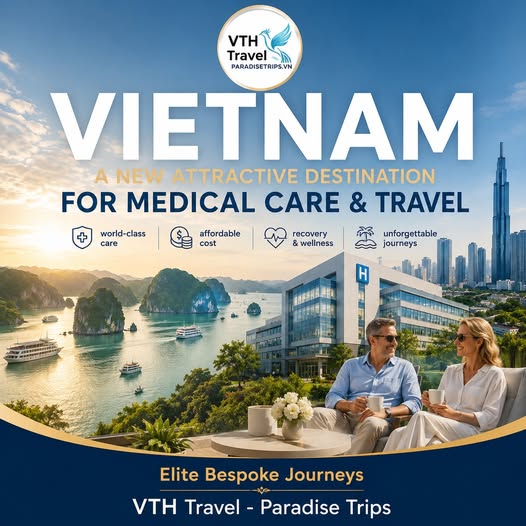
19/08/2026Medical Tourism in Vietnam: Asia’s Emerging Healthcare Hub
Medical Tourism in Vietnam: Asia’s Emerging Healthcare Hub Vietnam is rapidly evolving beyond its reputation as a breathtaking holiday destination. Driven by strategic investments in healthcare infrastructure, an influx of internationally trained specialists, modern medical technologies, and a renowned culture […]

PRACTICAL TRAVEL INFO
11/08/2026Truth About Room Tiers & Meals in Vietnam Tour Packages
Why Lead-in Package Rates Protect Your Budget & Flexible Meals Unlock Ultimate Freedom By Dr. Son & Team – Luxury Vietnam DMC SPECIAL OUTLINE ABOUT VIETNAM TOUR PACKAGE PRICING The Sample Itinerary Misunderstanding: Why a sample tour is a baseline reference, not a rigid cage. Pillar 1: Demystifying Hotel & Cruise Room Tiers: Real-world price […]
PRACTICAL TRAVEL INFO
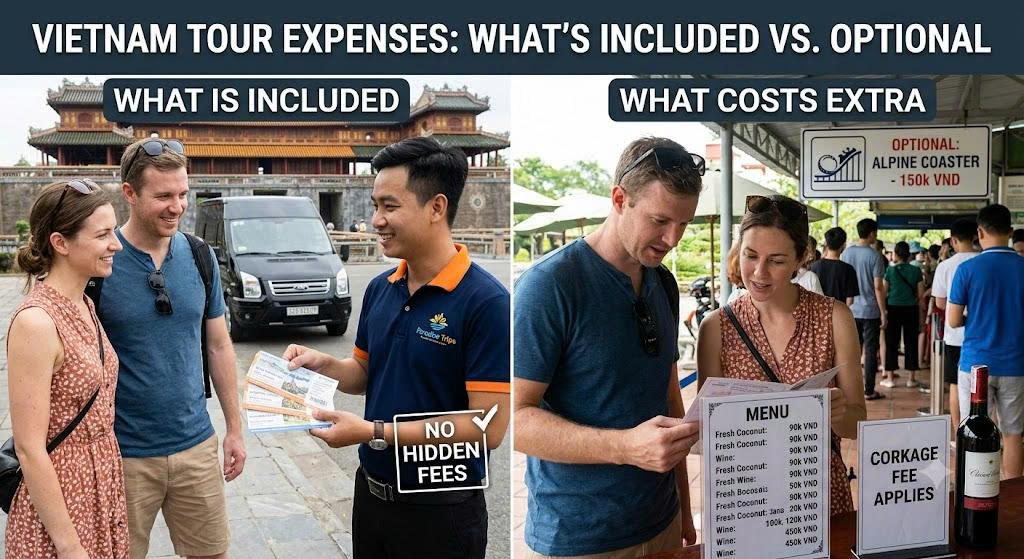
10/08/2026Vietnam Tour Hidden Fees: What Costs Extra and Why
The Truth Behind “No Hidden Fees”: Why You May Still See Paid Services Inside Attractions, Restaurants, Cruises, and Resorts in Vietnam One of the most common questions we receive from international travelers booking a private tour is: “If your package promises no […]