- TRAVEL PACKAGES
- BESPOKE JOURNEYS
- TOP TOURS
- Daily Tours
- PRACTICAL TRAVEL INFO
- DISCOVER VIETNAM
- PARTNER WITH US
18-06-2025
In the profound tapestry of national folklore, the Vietnamese Four Sacred Creatures—the Dragon (Rồng), the Unicorn (Lân), the Turtle (Rùa), and the Phoenix (Phượng)—hold immense significance. Known collectively as Tứ Linh, these aren’t merely fantasy beasts; they are the spiritual pillars deeply rooted in history, art, and architecture. Representing the key forces of the cosmos, the Vietnamese Four Sacred Creatures symbolize power, prosperity, longevity, and rebirth. From the majestic carvings in royal palaces to the vibrant spirit of modern festivals, these mythical guardians guide the beliefs and aspirations that the people of the S-shaped land have strived for across five millennia.
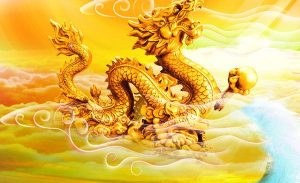
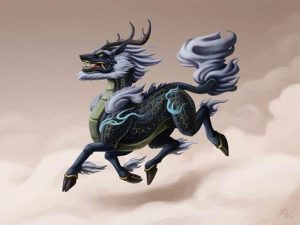
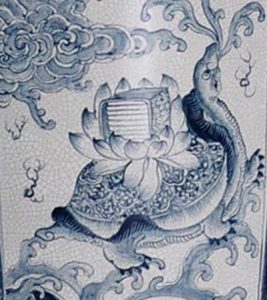
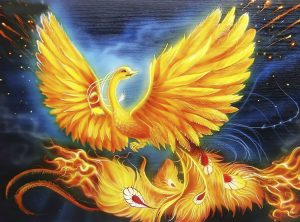
These four sacred creatures are far more than just mythical figures; they are deeply ingrained in the Vietnamese spiritual and cultural landscape. They actively guide beliefs, inspire traditional and contemporary art, and powerfully celebrate the enduring values and aspirations of the nation.
The symbolic presence of the Vietnamese Four Sacred Creatures in imperial architecture, especially within the Complex of Hué Monuments, is a testament to their historical weight. You can explore the detailed restoration of these sacred motifs through the UNESCO World Heritage Centre.
Furthermore, the philosophical influence of these creatures—rooted in Eastern cosmology and Confucian ideals—is extensively researched by the Asia Society, providing a broader context for their role in Asian art history. For travelers interested in the legendary “Turtle of the Returned Sword,” the historical archives of the British Museum often feature Vietnamese artifacts that showcase the enduring legacy of these sacred protectors in the nation’s struggle for independence and peace.
#TứLinh #VietnameseCulture #SacredCreatures #VietnamSymbols #Dragon #Unicorn #Turtle #Phoenix #VietnameseFolklore #CulturalHeritage #AsianMythology
Note: To unlock the Vietnamese political system, please click here!
Latest news
Health & Safety
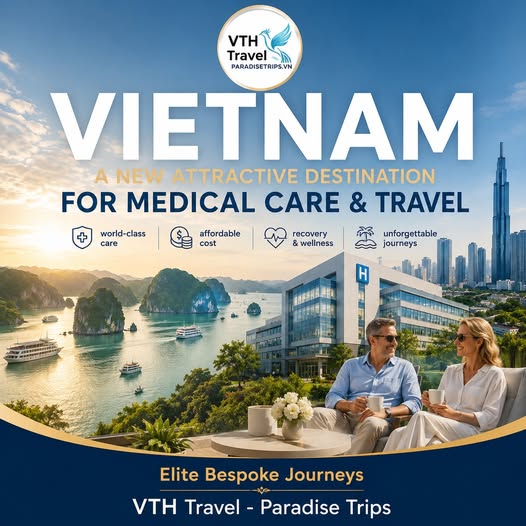
19/08/2026Medical Tourism in Vietnam: Asia’s Emerging Healthcare Hub
Medical Tourism in Vietnam: Asia’s Emerging Healthcare Hub Vietnam is rapidly evolving beyond its reputation as a breathtaking holiday destination. Driven by strategic investments in healthcare infrastructure, an influx of internationally trained specialists, modern medical technologies, and a renowned culture […]

PRACTICAL TRAVEL INFO
11/08/2026Truth About Room Tiers & Meals in Vietnam Tour Packages
Why Lead-in Package Rates Protect Your Budget & Flexible Meals Unlock Ultimate Freedom By Dr. Son & Team – Luxury Vietnam DMC SPECIAL OUTLINE ABOUT VIETNAM TOUR PACKAGE PRICING The Sample Itinerary Misunderstanding: Why a sample tour is a baseline reference, not a rigid cage. Pillar 1: Demystifying Hotel & Cruise Room Tiers: Real-world price […]
PRACTICAL TRAVEL INFO
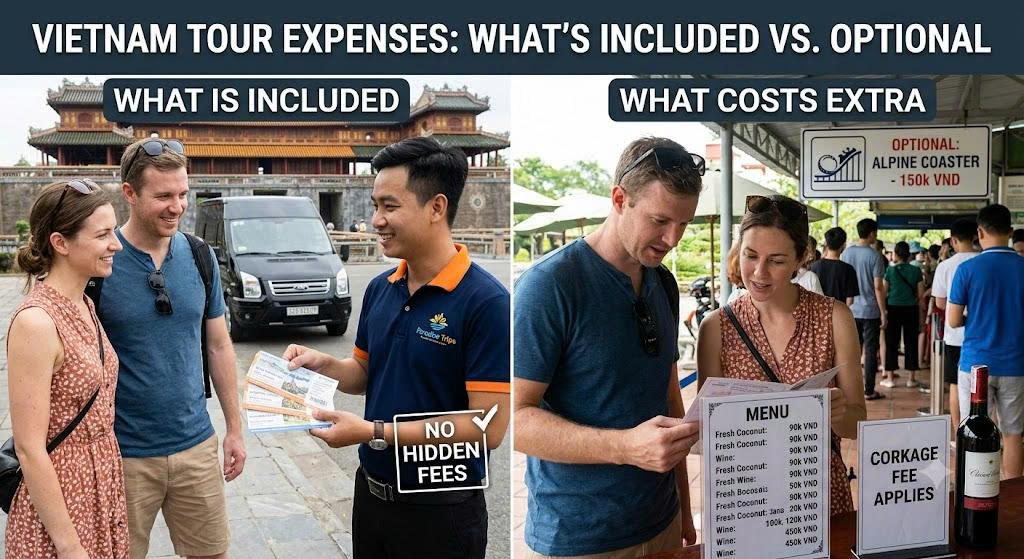
10/08/2026Vietnam Tour Hidden Fees: What Costs Extra and Why
The Truth Behind “No Hidden Fees”: Why You May Still See Paid Services Inside Attractions, Restaurants, Cruises, and Resorts in Vietnam One of the most common questions we receive from international travelers booking a private tour is: “If your package promises no […]