- TRAVEL PACKAGES
- BESPOKE JOURNEYS
- TOP TOURS
- Daily Tours
- PRACTICAL TRAVEL INFO
- DISCOVER VIETNAM
- PARTNER WITH US
15-07-2025
Vietnam is a country brimming with cultural richness, largely owing to its diverse population of Vietnam’s 54 Ethnic Groups. Among these, the Kinh (Viet) people constitute the majority, comprising approximately 82-84% of the nation’s population—roughly 84 million individuals in 2026. Beyond the Kinh, a fascinating array of 53 other ethnic minority groups adds incredible depth to the cultural mosaic. To understand this complexity, scholars categorize Vietnam’s 54 Ethnic Groups based on scientific criteria: linguistic families, historical settlement patterns, and unique cultural practices. This structured diversity is what makes the S-shaped land a truly vibrant and resilient nation in Southeast Asia.
SPECIAL OUTLINE
Introduction:
Vietnam, a country brimming with cultural richness, largely owes this to its diverse population of 54 distinct ethnic groups. Among these, the Kinh people constitute the majority, comprising approximately 82-84% of the nation’s population, which translates to roughly 82-84 million individuals. The Kinh community thrives across all corners of Vietnam, forming the vibrant backbone of the country.
Beyond the Kinh, a fascinating array of 53 other ethnic minority groups adds incredible depth and color to Vietnam’s cultural mosaic. These communities, each with their unique languages, customs, traditions, and histories, are primarily concentrated in specific regions across the country, often in mountainous or remote areas.
To better understand this diversity, we can categorize Vietnam’s ethnic groups based on several scientific criteria:

This is the primary way anthropologists and linguists classify ethnic groups worldwide, based on the shared origins and evolution of their languages. In Vietnam, the major linguistic families represented include:
Historical settlement patterns have resulted in distinct regional concentrations of ethnic minority groups:
Each ethnic group boasts unique customs, clothing, housing styles, social structures, beliefs, festivals, music, and art forms. Exploring these differences offers a profound insight into Vietnam’s cultural richness. For example:
Understanding these classifications provides a valuable framework for travelers to appreciate the incredible diversity that makes Vietnam so culturally vibrant. Each encounter with a different ethnic group offers a chance to learn about unique perspectives and traditions, enriching your journey through this fascinating country.
The scientific study of Vietnam’s 54 Ethnic Groups is a key pillar of the nation’s social policy. The Vietnam Museum of Ethnology serves as the primary gateway for international visitors to witness this diversity through authentic artifacts.
Furthermore, the “Great Unity of Ethnic Groups” is celebrated annually at the Vietnam National Village for Ethnic Culture and Tourism. For researchers seeking official demographic data and ethnic policies, the Committee for Ethnic Minority Affairs (CEMA) provides comprehensive reports. Internationally, the United Nations Development Programme (UNDP) in Vietnam often collaborates on projects to preserve the traditional knowledge and sustainable livelihoods of Vietnam’s 54 Ethnic Groups, ensuring their unique identities thrive in the era of global integration.
#Vietnam #EthnicDiversity #CulturalHeritage #VietnameseCulture #LinguisticDiversity #MinorityGroups #ExploreVietnam #SoutheastAsiaTravel #CultureTrip #EthnicGroups
Latest news
Health & Safety
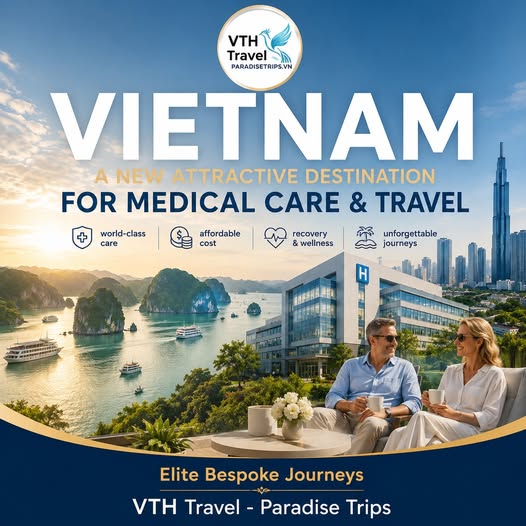
19/08/2026Medical Tourism in Vietnam: Asia’s Emerging Healthcare Hub
Medical Tourism in Vietnam: Asia’s Emerging Healthcare Hub Vietnam is rapidly evolving beyond its reputation as a breathtaking holiday destination. Driven by strategic investments in healthcare infrastructure, an influx of internationally trained specialists, modern medical technologies, and a renowned culture […]

PRACTICAL TRAVEL INFO
11/08/2026Truth About Room Tiers & Meals in Vietnam Tour Packages
Why Lead-in Package Rates Protect Your Budget & Flexible Meals Unlock Ultimate Freedom By Dr. Son & Team – Luxury Vietnam DMC SPECIAL OUTLINE ABOUT VIETNAM TOUR PACKAGE PRICING The Sample Itinerary Misunderstanding: Why a sample tour is a baseline reference, not a rigid cage. Pillar 1: Demystifying Hotel & Cruise Room Tiers: Real-world price […]
PRACTICAL TRAVEL INFO
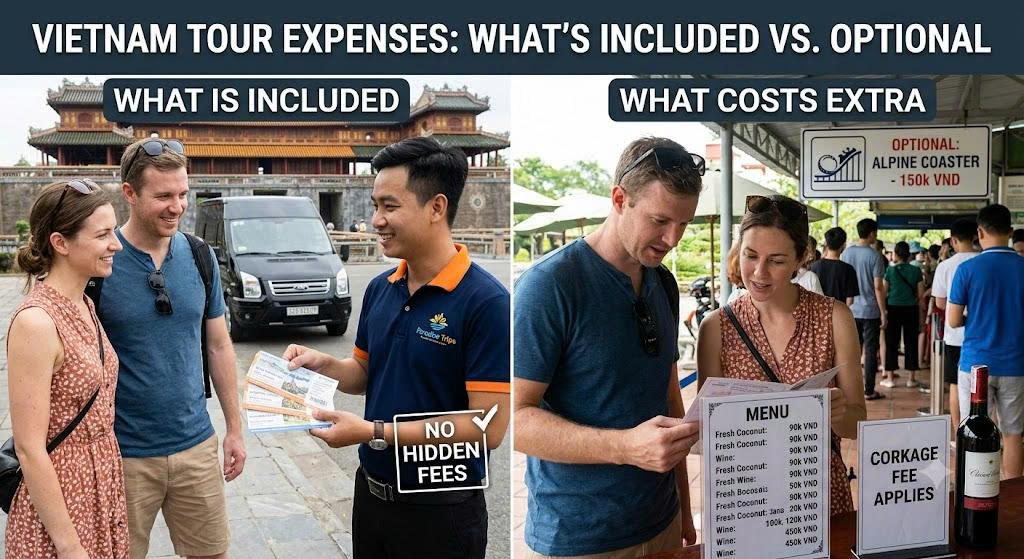
10/08/2026Vietnam Tour Hidden Fees: What Costs Extra and Why
The Truth Behind “No Hidden Fees”: Why You May Still See Paid Services Inside Attractions, Restaurants, Cruises, and Resorts in Vietnam One of the most common questions we receive from international travelers booking a private tour is: “If your package promises no […]